Advancing Emergency Care of Persons Living with Dementia: A GEAR Network Immersive Workshop
Announcement Advancing Emergency Care of Persons Living with Dementia: A GEAR Network Immersive Workshop Friday, July 25, 2025 | 8 a.m. – noon Westin Harbour
Announcement Advancing Emergency Care of Persons Living with Dementia: A GEAR Network Immersive Workshop Friday, July 25, 2025 | 8 a.m. – noon Westin Harbour

Grand Rounds The First 5 Years of the IMPACT Collaboratory: Building an infrastructure to Conduct Pragmatic Trials in Dementia Care Presenter: Susan Mitchell, MD, PhD

This scoping review examines the literature on care transition interventions for patients with cognitive impairment receiving ED care and what measures of quality transitions are important for older
adults with impaired cognition and their care partners
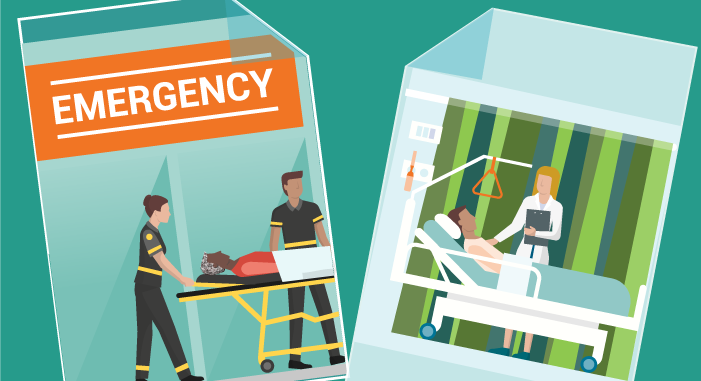
This scoping review demonstrates the state of research on ED care
practices for PLWDs. This review demonstrates that studies of components of ED care and emergency care needs for PLWDs are wide ranging with little depth on any topic.

Communication factors that influence satisfaction with the hospital experience for PLWD included valuing of the person through staff actions, interactions, and person-centered care; activities of empowerment; and interactions of the environment with patient well-being (physical environment, social and organizational). Robust communication between hospital staff, PLWD and their care partners improves the hospital experience.

Over the last 2 decades, there have been multiple studies evaluating ED detection of cognitive impairment specifically focused on
dementia. Our scoping review identified more than 45 manuscripts
addressing accuracy of detection of cognitive impairment or dementia, 66 addressing pragmatic and practical ways for this detection, and
21 manuscripts overlapping in both.
Advancing Dementia Care (GEAR 2.0 – ADC) / Emergency Medicine Foundation (EMF) / West Health Institute (WHI) will fund up to four pilot proposals that are aligned with the GEAR 2.0 Mission and research priorities starting as early as July 1, 2022. The dollar amount of each award may not exceed $90,000 in total costs.
Final grants submissions are due Friday, February 4, 2022.
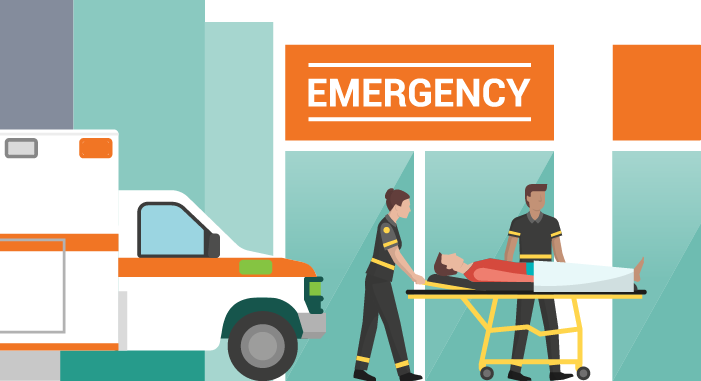
The ED Practices Work Group aims to develop key questions and identify research gaps in optimal care for people living with dementia seeking acute, unscheduled care in the ED or through alternative means, such as telehealth or community paramedicine.
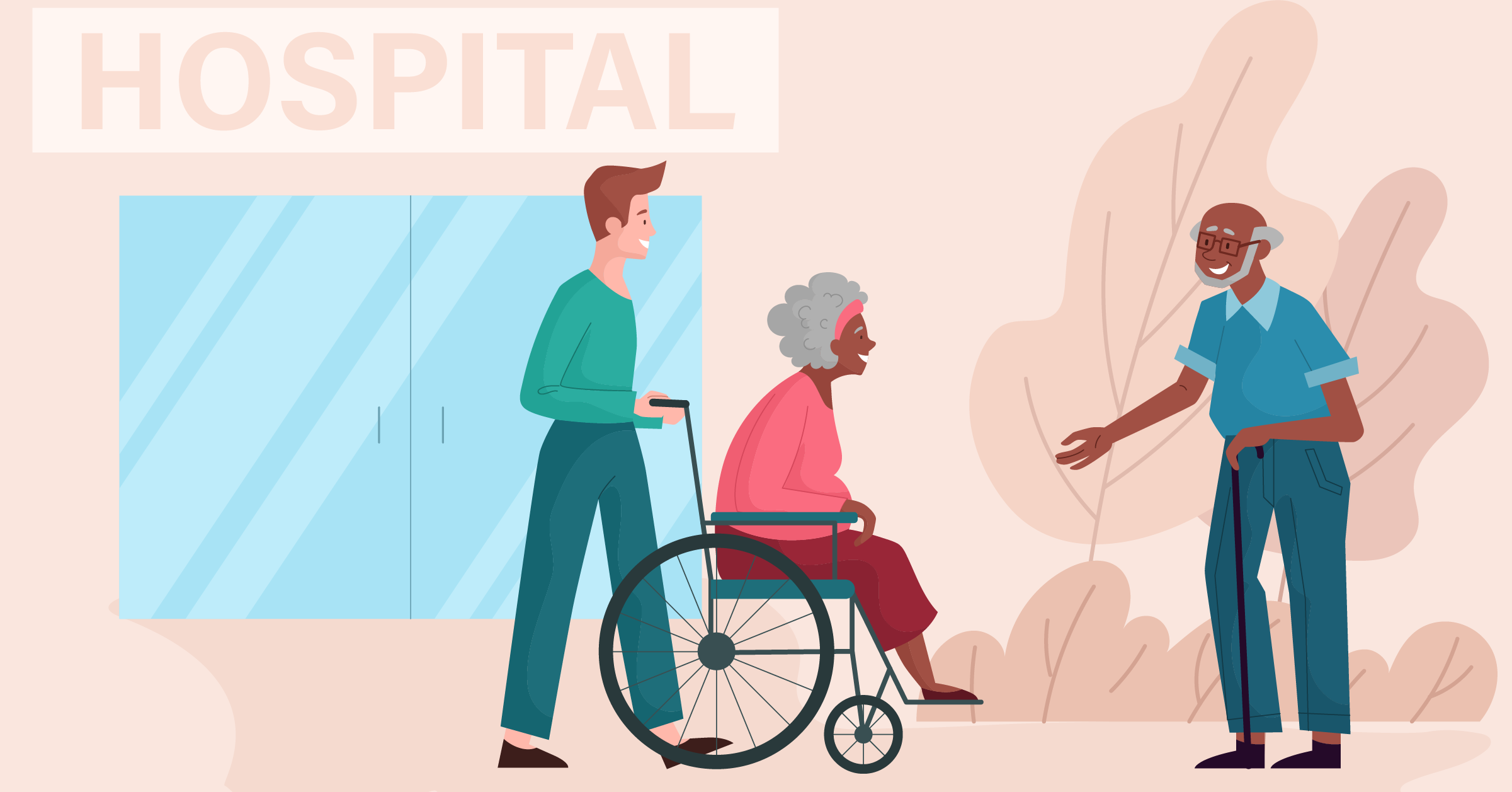
A large amount of evidence indicates that an ED visit is a period of vulnerability for older adults, especially as they transition back to the community, from the ED to home or a nursing home.

Falls range from minor to fatal; even minor falls can cause psychological distress and fear, leading older adults to feel dependent and chained to their bedrooms. In addition, stigma is a major problem so only a small percentage of older adults report their falls. Falling one time doubles an individual’s risk for falling again.