GEAR 1.1
The Geriatric Emergency care Applied Research Network (GEAR) aims to establish infrastructure to support collaborative, interdisciplinary research to improve care for older adults. Funded by the National Institutes of Health and other partners (grant #R33AG058926), GEAR brings together key stakeholders from emergency medicine, geriatrics, nursing, and social work as well as representing health care systems, clinicians, researchers, medical specialty organizations, advocacy organizations, caregivers, and, most importantly, patient representatives. GEAR aims to:
- Identify and prioritize research gaps (cognitive impairment, medication safety, elder abuse, falls, and care transitions) for older patients seeking emergency care.
- Create a multicenter data bank that is tested and validated with prospective data from GEDC sites.
- Foster and support interdisciplinary, multicenter pilot studies using GEAR infrastructure (RFA issued Fall 2021) for 1-year pilot studies.
- Support and grow research(ers) to improve emergency care for people.
Goals
- Transdisciplinary and inter-organizational partnership growth
- 9 partnered research grants
- Dissemination and communication across networks
- Publication of prioritized research gaps
- Sustainability
Research Priorities
The Geriatric Emergency care Applied Research Network (GEAR) aims to establish infrastructure to support collaborative, interdisciplinary research to improve care for older adults. Toward that end, we have established five key research priorities and how to study them: cognitive impairment, medication safety, elder abuse, falls, and care transitions. Learn more below.
1.1 Priorities: Care Transitions
A large amount of evidence indicates that an ED visit is a period of vulnerability for older adults, especially as they transition back to the community, from the ED to home or a nursing home.

1.1 Priorities: Cognitive Impairment-Delirium
Individuals identified as experiencing delirium in emergency departments are more likely to develop dementia as older adults. Yet, almost three decades of research has shown that delirium and dementia are under-recognized in emergency departments, despite a proliferation of screening tools.

1.1 Priorities: Elder Abuse
There are opportunities to administer screening for elder mistreatment in the ER, with both screening tools in development and research funding from the National Institutes on Aging (NIA), the National Institutes of Health (NIH) overall, the John A. Hartford Foundation (JAHF), and others.

1.1 Priorities: Falls
Falls range from minor to fatal; even minor falls can cause psychological distress and fear, leading older adults to feel dependent and chained to their bedrooms. In addition, stigma is a major problem so only a small percentage of older adults report their falls. Falling one time doubles an individual’s risk for falling again.
1.1 Priorities: Medicine Safety
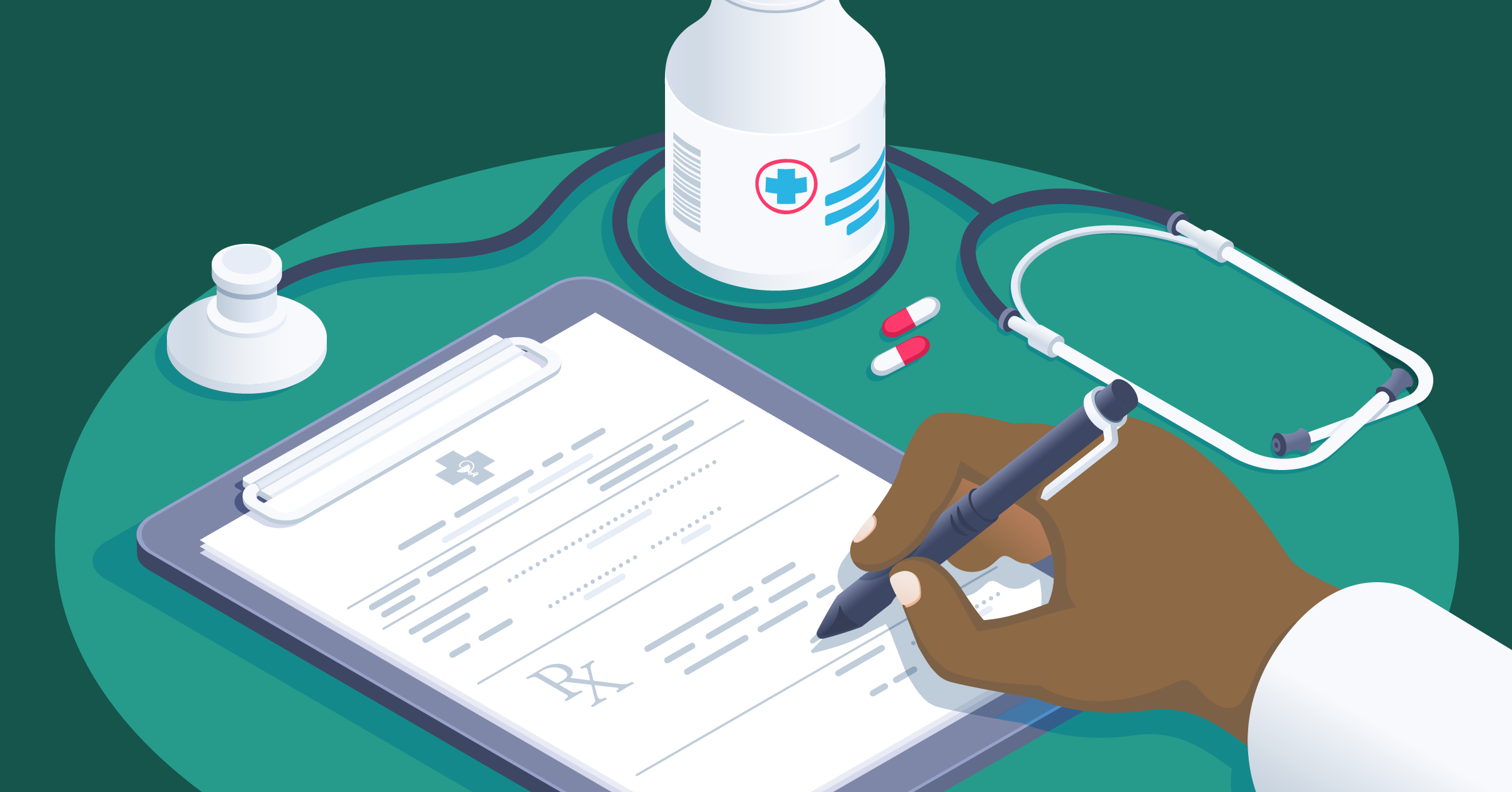
Avoiding ADEs requires a comprehensive approach to avoid dangerous medications in older adults.
