
GEAR 2.0 & GEAR 2.1
Improving Emergency Care for People with Dementia
Older adults use the emergency department (ED) as an important source of acute medical care, making 20 million visits annually. People with dementia are twice as likely to use the ED and 1.5 times more likely to have an avoidable visit. When in the ED, they often struggle and are at greater risk of poor outcomes. However, little research has studied how to improve emergency clinical care for people with dementia. To address this gap, we must: 1) identify areas for improvement of emergency care for people with dementia and 2) develop and test strategies to improve the care delivered to this vulnerable population.
The Geriatric Emergency Care Applied Research Network 2.0 – Advancing Dementia Care (GEAR 2.0 ADC) is a National Institutes of Health funded program (Grant # R61AG069822) to advance the science supporting emergency care for people with dementia. It brings together key stakeholders from emergency medicine, geriatrics, nursing, and social work representing health care systems, clinicians, researchers, medical specialty organizations, advocacy organizations, caregivers, and, most importantly, people with dementia.
Together we will:
- Identify and prioritize research gaps in emergency care for people who have dementia (Phase 1, Year 1-2).
- Support research to improve emergency care for people who have dementia (Phase 2, Year 3-5).
Timeline: Transitioning from GEAR 2.0 to 2.1
GEAR 2.0 (2020-2025) had two major phases: an R61 phase that developed consensus on research priorities for improving emergency care for persons living with dementia, and an R33 phase that distributed $1.1 million to 12 pilot awardees to address research priorities identified in Phase 1.
GEAR 2.1 (2026 – 2031) is a competitive renewal of GEAR 2.0. The aims for 2.1 are as follows: enhance/expand partnerships, expand GEAR’s database infrastructure to include multimodal data, and advance interdisciplinary acute care research for PLWD through pilot funding.
R61AG069822 funded
Key stakeholders developed consensus on research priorities for improving emergency care for persons living with dementia (PLWD): 1) care transitions; 2) communications and decision-making; 3) detection; and 4) ED practices
R33AG069822 funded
Distributed $1.1 million to 12 pilot awardees to address research priorities identified in Phase 1
R33AG069822 funded
Enhance partnerships, expand GEAR's infrastructure to include multimodal data, and advance interdisciplinary acute care research fo PLWD
Research Priorities
The Geriatric Emergency care Applied Research Network 2.0 (GEAR 2.0) aims to establish infrastructure to support collaborative, interdisciplinary research to improve care for older adults with dementia. Learn more below about dementia, and the implications on emergency department (ED) care for older adults, as well our specific Work Group topics designed to address these implications.
Cognitive Impairment: Dementia
People with dementia are twice as likely to use the ED and 1.5 times more likely to have an avoidable visit. When in the ED, they often struggle and are at greater risk of poor outcomes.
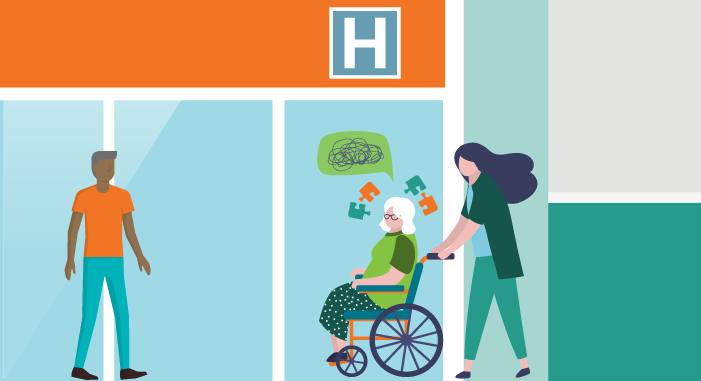
2.0 Priorities: Care Transitions
Approximately 40 percent of people living with dementia discharged from the hospital will experience an adverse event (ED revisits, other hospitalizations, or death) in the 30 days following discharge, a rate significantly higher than for those without dementia.
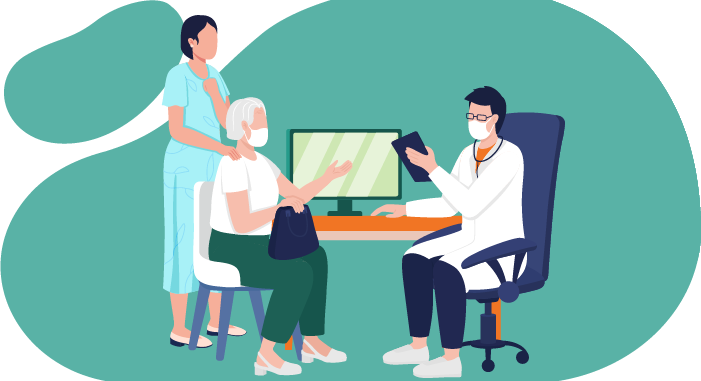
2.0 Priorities: Communications and Decision-Making
Dementia may add layers of complexity to current ED communication strategies, but this complexity must be addressed to ensure the patient, as well as care partners, feel that they are part of the care process.

2.0 Priorities: Detection
Emergency care for older adults is suboptimal, and care is especially poor for older adults with dementia, even though these adults seek ED-based care more regularly than matched controls. The GEAR Detection Work Group examines the potential role of the ED in dementia detection.
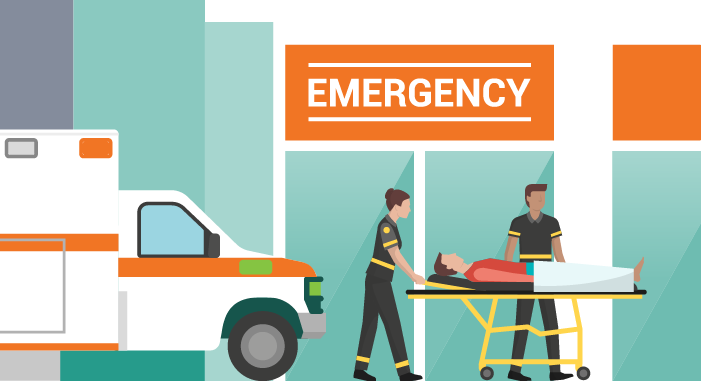
2.0 Priorities: ED Practices
The ED Practices Work Group aims to develop key questions and identify research gaps in optimal care for people living with dementia seeking acute, unscheduled care in the ED or through alternative means, such as telehealth or community paramedicine.
